

When Mrs. Onyeka returned home from Canada to inspect the house she funded in Owerri, she expected joy. Instead, she walked into chaos — leaking roofs, poor finishing, costs that kept rising, and contractors who made excuses. Her voice trembled as she said:
“I wish someone had told me there was a better way.”

That story — repeated by so many Nigerians at home and in the diaspora — is the reason Mega Labourers Services is determined to help people learn about modular construction and secondary city opportunities.
Today, we share the key insights that opened the eyes of developers, diaspora property owners, and investors seeking smarter ways to build in Nigeria.
READ MORE: 19 Years of Undefeated Success in Construction
🔹 Why Secondary Cities Are the New Investment Frontier
This one truth is clear: High returns no longer live only in Lagos Island or Abuja.
Smaller urban corridors now offer:
- Cheaper land
- Less bureaucracy
- Faster access to growth corridors
- Rising demand among young professionals
Yet, they also struggle with a shortage of skilled labour, infrastructure delays, and supervision gaps — issues that traditional construction worsens.
🔹 Modular Building Solves These Pain Points
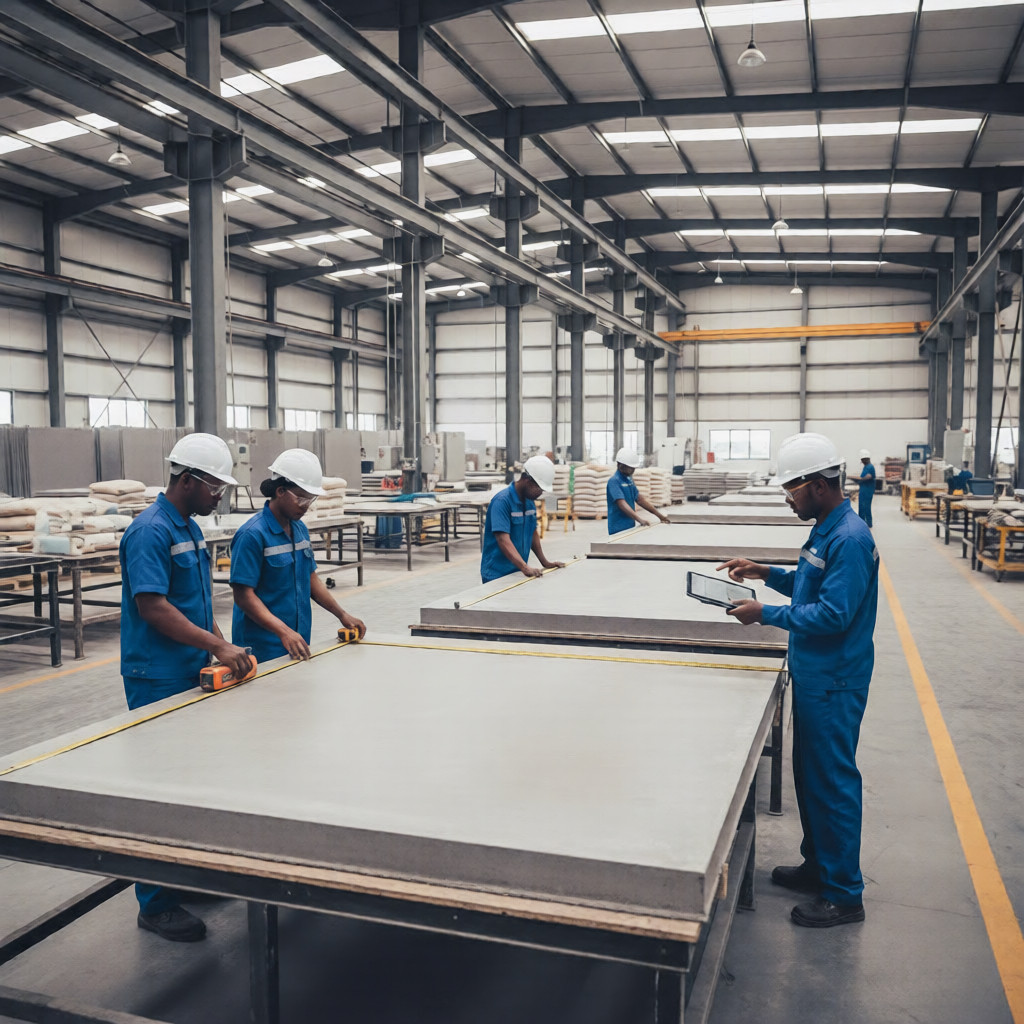
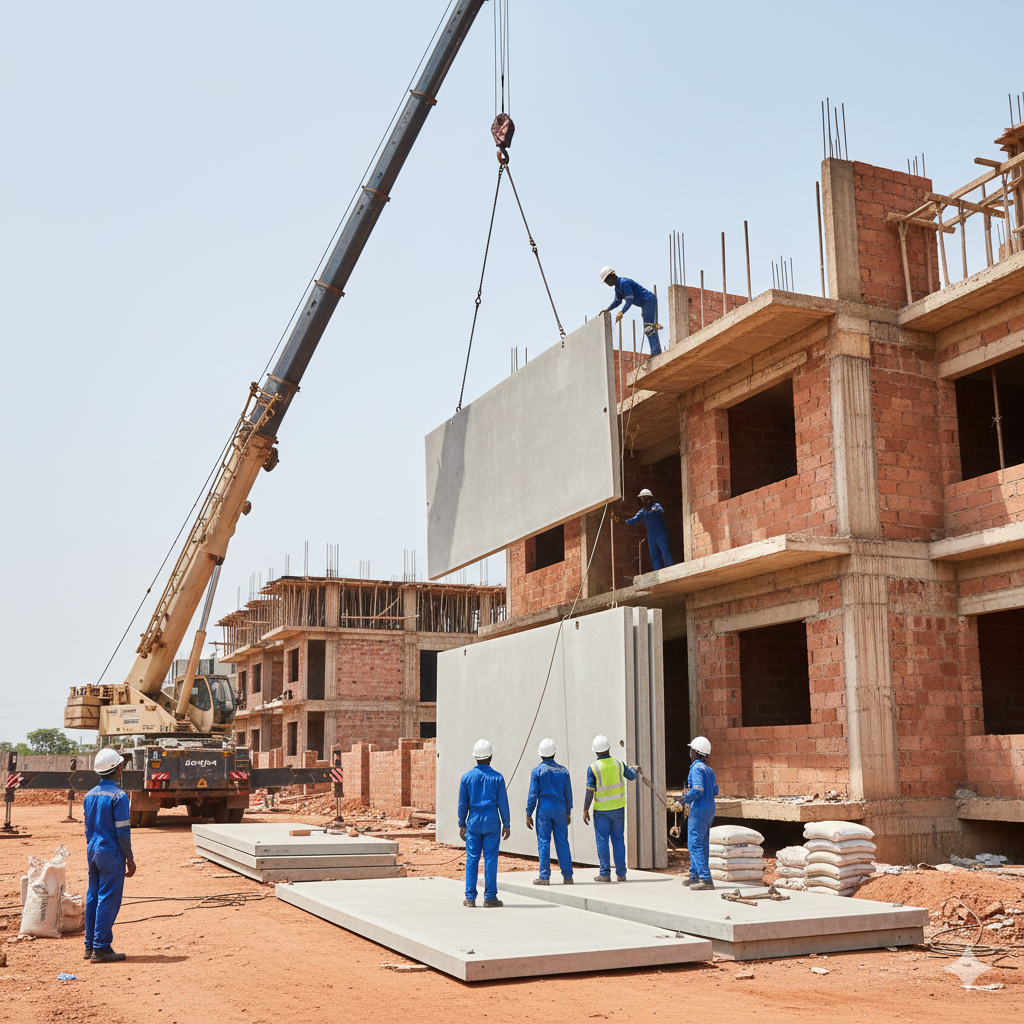
Instead of building everything on site, modular construction allows:
✔ 80% of the components to be fabricated before arriving at site
✔ Faster assembly when they arrive
✔ Less exposure to weather, site theft, or workmanship errors
Here are how different timelines are compared:
| Construction Method | Typical Completion Timeline |
|---|---|
| Traditional Build | 6–12 months (often longer) |
| Modular / Hybrid Build | 8–16 weeks |
In secondary cities — where supervision is harder — predictable timelines are gold.
🔹 The Shocking Cost Comparison
Contrary to popular belief, modular does not always cost more.
In many cases, savings emerge from:
- Reduced rework
- Fewer material losses
- Less labour wastage
- Predictable pricing
A case study: A Lagos–Owerri 4-unit terrace project have shown this clear fact:
Traditional estimate: ₦78m total
Modular hybrid execution: ₦54m — completed faster and delivered 22% rental yield within five months.

That’s the kind of result Nigerians abroad dream of — and modular delivers it.
🔹 What Kind of Buildings Work Best?
There are many modular advantages for 2–3 bedroom starter homes, terrace clusters & mini-estates, serviced apartments / short-let units, and staff housing & lodges in industrial corridors.
These deliver:
✔ quick sales
✔ good rental returns
✔ scalable development phases
Why Are Modular Builds Winning in Secondary Cities?
Because they deliver:
✨ Speed
✨ Cost control
✨ Better quality
✨ Remote supervision for diaspora owners
✨ Scalability for small developers
IN OTHER NEWS: Beyond the Façade: How Nigeria’s Infrastructure Gap Impacts Your Real Estate Investment (And How to Bridge It)
Conclusion
Remember Mrs. Onyeka? Instead of giving up, she found Mega Labourers. Today, she is planning a modular build pilot in Asaba — but this time:
✔ supervised
✔ predictable
✔ stress-free

Ready to Build Smart, Fast, and Without Regrets?
Whether you’re:
✨ a Nigerian entrepreneur
✨ a developer
✨ or a diaspora investor
Mega Labourers Services helps you build safely, profitably, and transparently. Let’s transform your land into liveable, valuable assets.
📌 Contact Mega Labourers Services Today
🌐 Website: https://megalabourers.com
📧 Email: hello@megalabourers.com
🏢 Visit Us At:
Canada Office — 102-30 El-Tassi Drive, Winnipeg MB, Canada
USA Office — 8500 Frederickburgs Lane, Houston TX 77083
Nigeria Office — 9, Moses Adebajo Street, Ojodu-Berger, Lagos
📞 Call Us:
Canada: +1 (431) 990-3777
USA: +1 (832) 847-5261
Nigeria: +234 707 491 3626 | +234 707 491 3631
Pingback: Building in Nigeria from Abroad? Here’s How to Win — Not Lose - Mega Labourers